How Esthetic Clinic Treatments Target Tissue Layers
Non-surgical esthetic procedures work by delivering calibrated energy, biomolecules, or pharmaceuticals to specific tissue depths. Energy-based devices penetrate from 0.5mm at the epidermis to 4.5mm at the superficial muscular aponeurotic system (SMAS). Ultherapy uses micro-focused ultrasound to create thermal coagulation points at 1.5mm, 3.0mm, and 4.5mm depths simultaneously, reaching temperatures of 60-70 degrees Celsius. These focal injuries trigger a wound-healing cascade involving fibroblast activation and neocollagenesis that peaks at 90 days post-treatment. Ahn JY et al. Dermatol Surg. 2021;47(5):672-678. doi:10.1097/dss.0000000000002956
Sofwave applies synchronized ultrasound parallel beam (SUPERB) technology at a fixed 1.5mm dermal depth with integrated Sofcool real-time cooling to protect the epidermis. Clinical data demonstrates a 67% improvement in laxity scores at 12 weeks measured by the Clinician Graded Facial Laxity Scale. Thermage FLX delivers monopolar radiofrequency through 4cm-squared treatment tips, using AccuREP technology to optimize energy per pulse based on tissue impedance feedback measured 500 times per second.
Clinical Evidence for Injectable Modalities
Hyaluronic Acid Fillers and Cross-Linking Science
Injectable hyaluronic acid fillers derive their longevity from Vycross or Hylacross cross-linking technology. Juvederm Voluma uses 90% low-molecular-weight HA (200 kDa) and 10% high-molecular-weight HA (3,000 kDa), creating a smooth gel with 9-18 months of volumization. The cross-linking agent BDDE binds at a ratio of 6% concentration, producing a gel hardness (G-prime) of 274 Pa that resists dynamic facial movements. Micheels P et al. J Drugs Dermatol. 2016;15(3):367-374. doi:10.36849/jdd.2016.15.3.367
Neurotoxin Mechanism of Action
Botulinum toxin type A cleaves SNAP-25 proteins at the neuromuscular junction, preventing acetylcholine vesicle fusion with the presynaptic membrane. This blockade reduces muscle contraction force by 80-95% within 3-7 days. Clinical onset varies by formulation: onabotulinumtoxinA (Botox) and incobotulinumtoxinA (Xeomin) show peak effect at 14 days with duration of 3-4 months. Dosing precision matters because 1 unit of Botox equals approximately 3-4 units of abobotulinumtoxinA (Dysport) in clinical equivalence.
FDA Clearance and Regulatory Evidence
The regulatory pathway for esthetic devices follows 510(k) premarket notification or premarket approval (PMA) depending on device classification. Ultherapy received FDA clearance in 2009 for non-invasive lifting of the eyebrow, followed by clearance for the submentum and decolletage. Thermage FLX holds 510(k) clearance for non-invasive treatment of wrinkles and rhytids. Sofwave obtained FDA clearance in 2019 for lifting the eyebrow and submental tissue. Potenza's radiofrequency microneedling platform maintains clearance for dermatological procedures requiring coagulation and hemostasis.
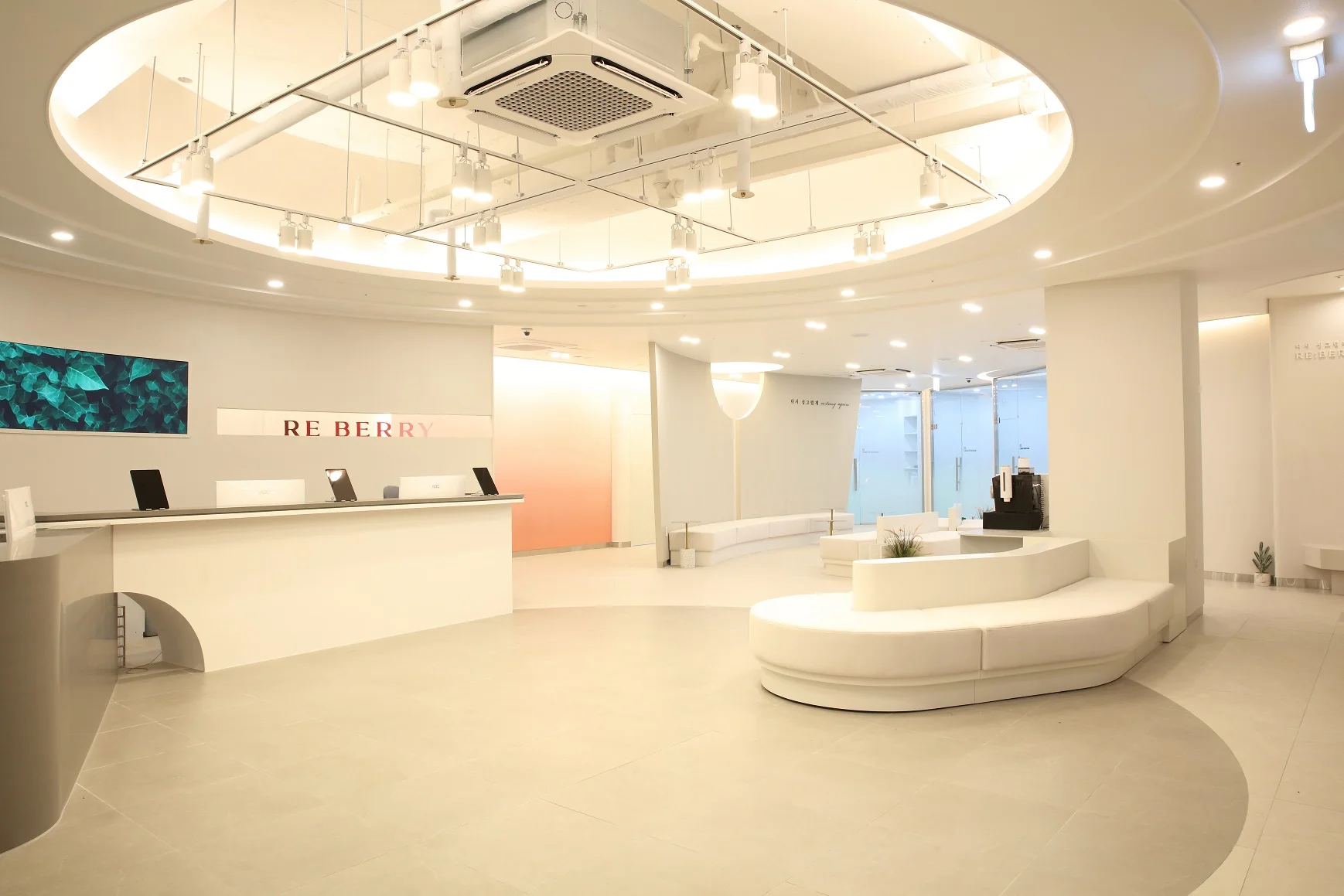
Korean MFDS (formerly KFDA) maintains a separate approval pathway that often evaluates broader clinical data including Asian-population-specific studies. Devices available at esthetic clinics near Incheon Airport carry dual MFDS and FDA clearances, providing an additional layer of validated clinical evidence. RE:BERRY Incheon operates FDA-cleared devices including Ultherapy, Sofwave, and Onda for patients seeking evidence-backed aesthetic treatments.
Skin Booster Science and Regenerative Protocols
Polynucleotide-based skin boosters (Rejuran) deliver salmon-derived DNA fragments (PDRNs) of 50-1,500 kDa molecular weight that activate A2A purinergic receptors on fibroblasts. This receptor signaling increases collagen type I synthesis by 30-40% in histological studies at 4 weeks. Juvelook combines PDLLA (poly-D,L-lactic acid) microspheres with non-cross-linked HA to stimulate gradual collagen production over 8-12 weeks, with volumetric imaging showing 15-22% dermal thickness improvement.
Exosome therapy represents a newer regenerative modality in the science behind esthetic clinic treatments. Mesenchymal stem cell-derived exosomes contain growth factors (EGF, FGF, VEGF), cytokines, and microRNA that modulate the local tissue environment. Early clinical evidence suggests 25-35% improvement in skin texture scores when combined with microneedling at 0.5-1.5mm needle depths, though long-term controlled studies remain limited compared to established modalities.
Combination Treatment Protocols and Synergy Data
Clinical evidence supports multi-modality protocols that target different tissue layers simultaneously. A 2023 retrospective analysis of 312 patients receiving Ultherapy combined with Sofwave showed 40% greater improvement on the Global Aesthetic Improvement Scale compared to either device alone at 6 months. The scientific rationale involves complementary depth targeting: Ultherapy addresses the SMAS at 4.5mm while Sofwave remodels the mid-dermis at 1.5mm, creating a bidirectional tightening effect.
Combination injectable protocols pair structural fillers (Radiesse, Sculptra) with skin quality boosters (Rejuran, Re2O) in staged sequences. Biostimulatory agents like Sculptra's PLLA microspheres produce neocollagenesis over 3-6 months, while immediate-acting HA fillers address acute volume deficits. Evidence-based treatment planning spaces these modalities 2-4 weeks apart to avoid inflammatory interference between wound-healing cascades triggered by each agent.